Forthcoming February 2027
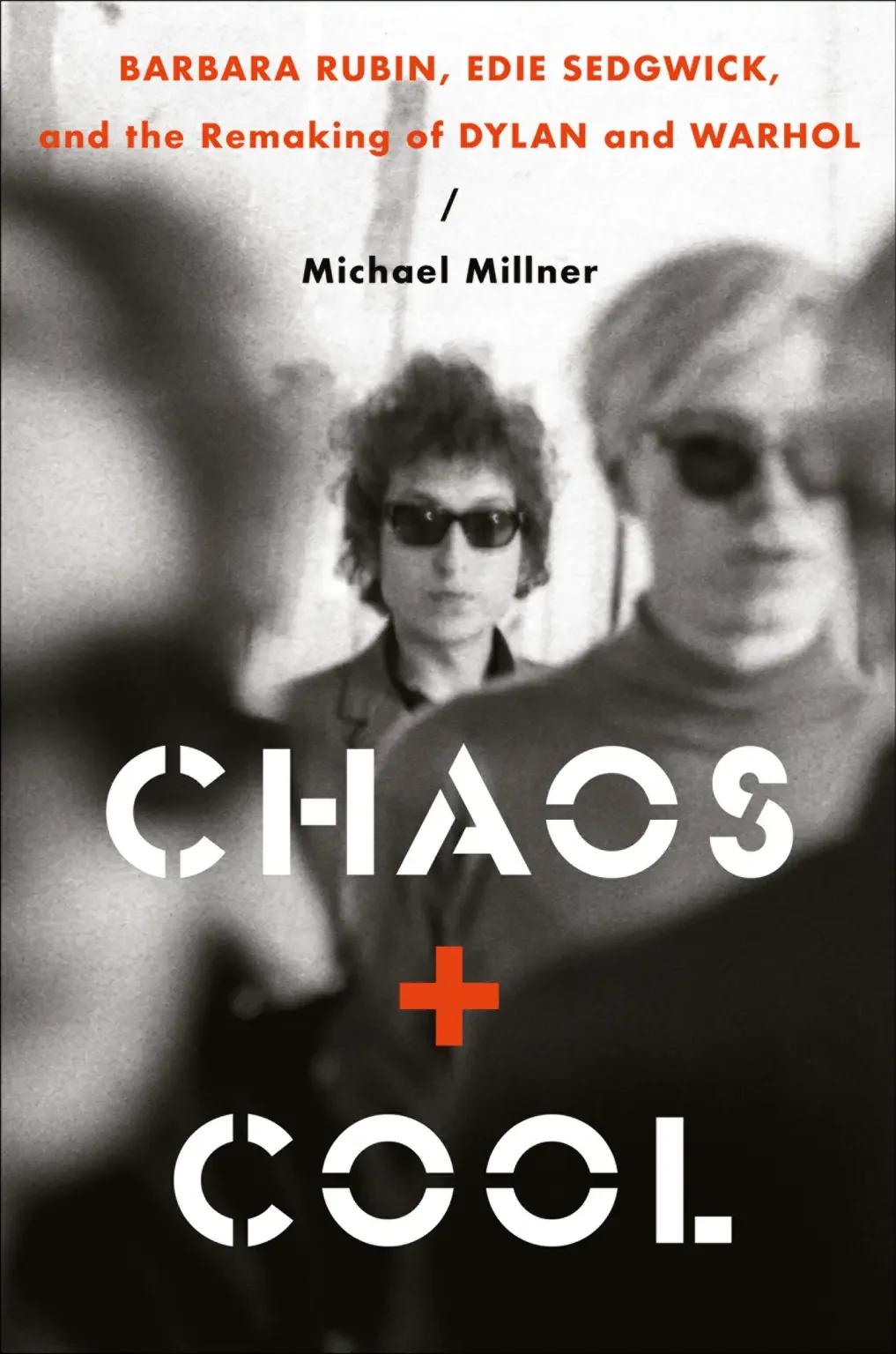
Chaos and Cool
Barbara Rubin, Edie Sedgwick, and the Remaking of
Dylan and Warhol
New York City, 1964: a new scene is bringing together rock musicians, filmmakers, visual artists, and writers. This downtown network will profoundly impact two artists on the cusp of legend—Bob Dylan and Andy Warhol—and reshape the future of pop culture as we know it. At the center of the new scene are two young women: avant-garde filmmaker Barbara Rubin and iconic ingénue Edie Sedgwick.
Warhol, Rubin, Sedgwick, and Dylan sought out the paradoxical: mass fame and artistic transgression, attachment and individuality, the search for a fixed point within lives defined by constant self-invention. They helped each other, used each other, stole from each other, desired to be each other, and experimented together. And in their tempestuous, incestuous, and all-too-short time together, they were instrumental in shaping one of the most diverse and experimental art scenes in all of American history.
Early Praise and Reviews
Coming Soon!
Michael Millner is a professor of English and American Studies at the University of Massachusetts Lowell and a writer who explores the intersections of art, music, film, and literature in American culture. Drawing on archival research and underground histories, he focuses on the artists and outsiders who reshaped the United States in the nineteenth and twentieth centuries. A list of books, essays, and other projects is available on his university website. He lives in Cambridge, Massachusetts.